
Despite ongoing resilience efforts, storm water flooding remains an increasingly common and disruptive reality across Queens, where heavy rains routinely overwhelm sewer systems and flood basements. Large-scale infrastructure upgrades, such as sewer replacements and permeable pavement, come with high costs and long timelines, leaving Queens residents in urgent need of practical, low-cost solutions.
Queens Rain Ready, an initiative of the Queens Resilience Network, addresses this gap by leveraging community-driven solutions in three pilot communities – Kissena, Hollis, and Woodside – to tackle community flood risk through catch basin cleaning, outreach, and distribution of native flora. Each of these neighborhood-based efforts are led by Kissena Synergy, Southeast Queens Residents Environmental Justice Coalition (SQREJC), and Woodside on the Move (WOTM).
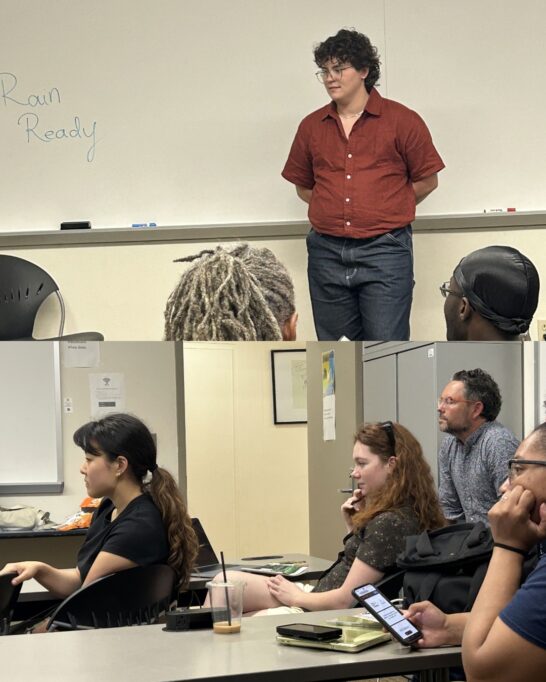
On Friday, July 17th, community leaders and volunteers from eight NYC organizations came together for a training session to kick off Queens Rain Ready’s core activities. During the training, attendees discussed outreach strategies, priority mapping, and evaluation metrics. Attendees combined FloodNet data and 311 complaint data with their own expertise as local leaders to pinpoint priority areas for catch basin cleaning in their neighborhoods. Additionally, presenters from The City Sponge and Riverkeeper presented on the variety of Green Infrastructure options available to private property owners in NYC, to provide a foundation of knowledge for the local outreach phase of the project.
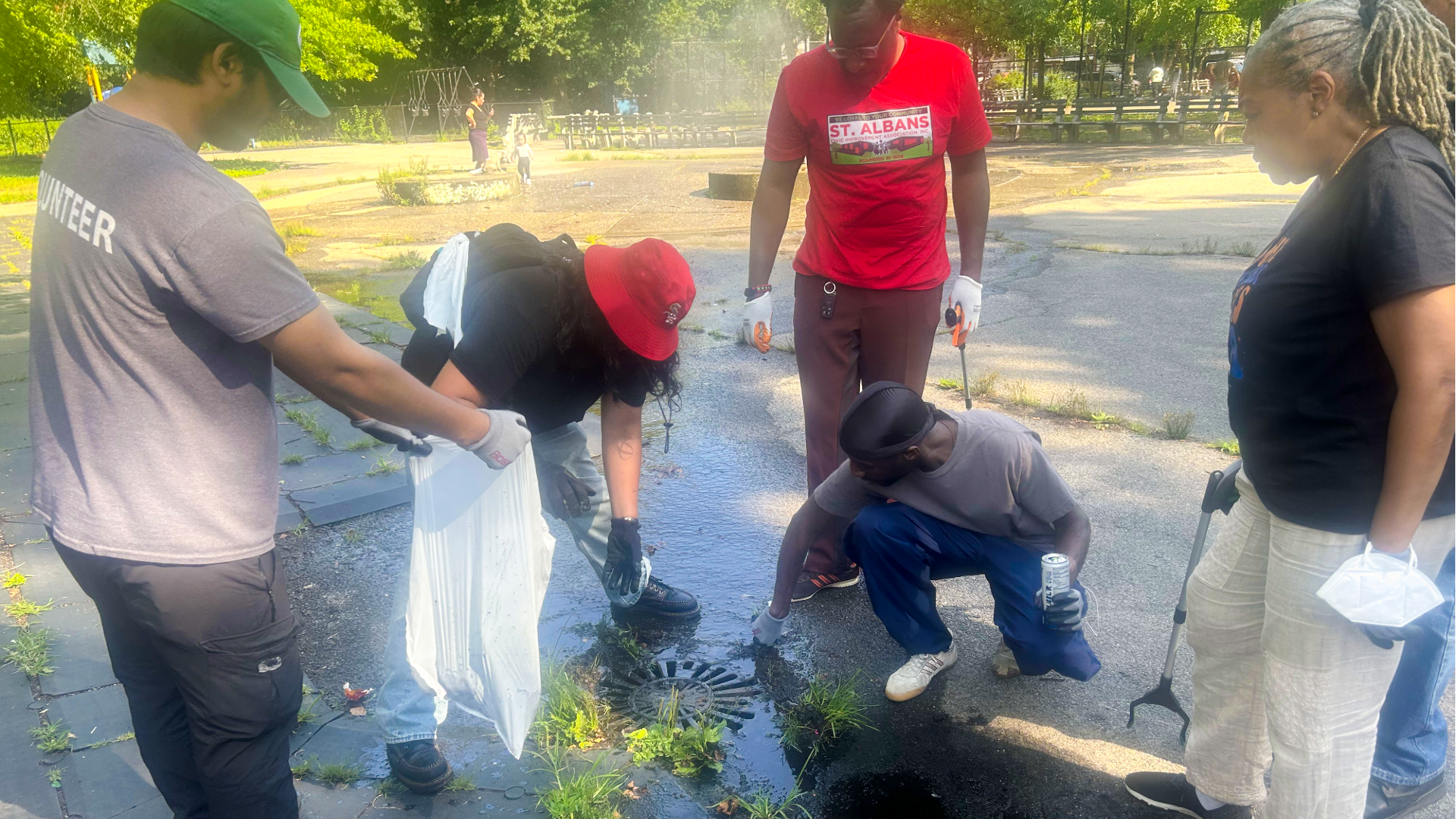
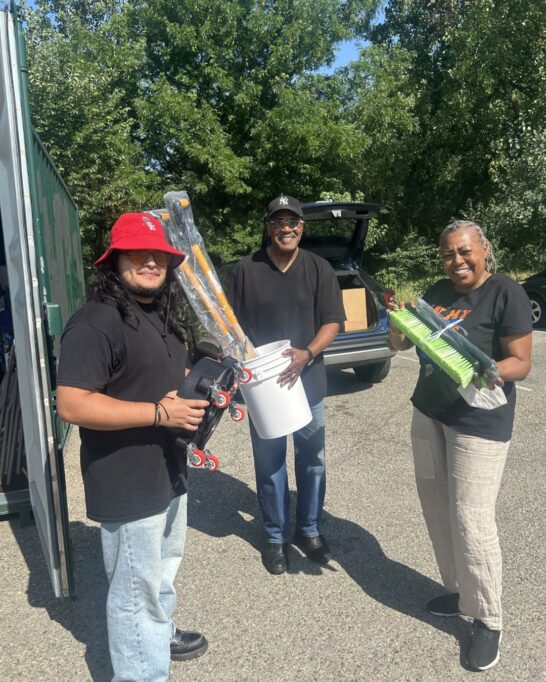
The training concluded with a hands-on catch basin cleaning session at Kissena Park, hosted by Kissena Synergy. Trainees observed how easily catch basins and other rainwater drainage systems can become obscured by leaves, trash, and other debris. Using rakes and trash pickers, trainees safely cleared blockages and gathered debris in trash bags for disposal, to prevent it from being washed down onto the grates during future storms. Leaders from each of the three leading organizations went back to their neighborhoods with the tools and knowledge needed to lead cleaning teams.
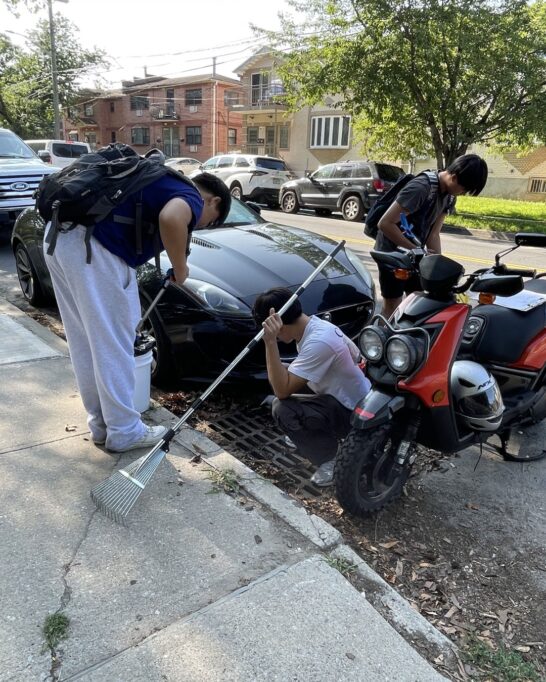
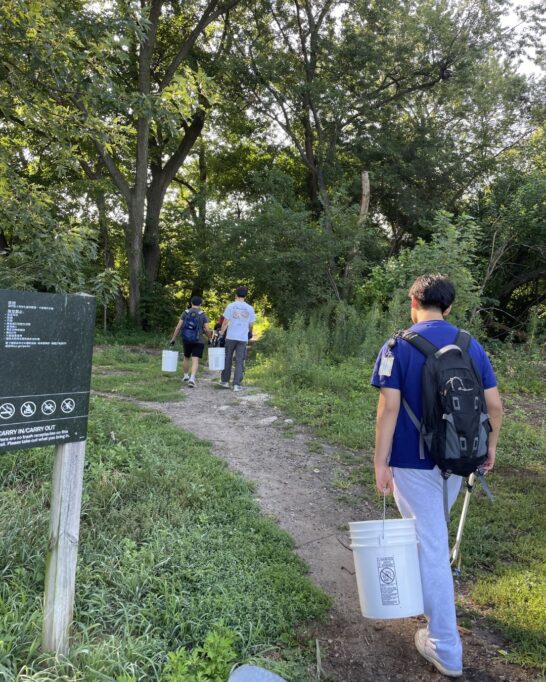
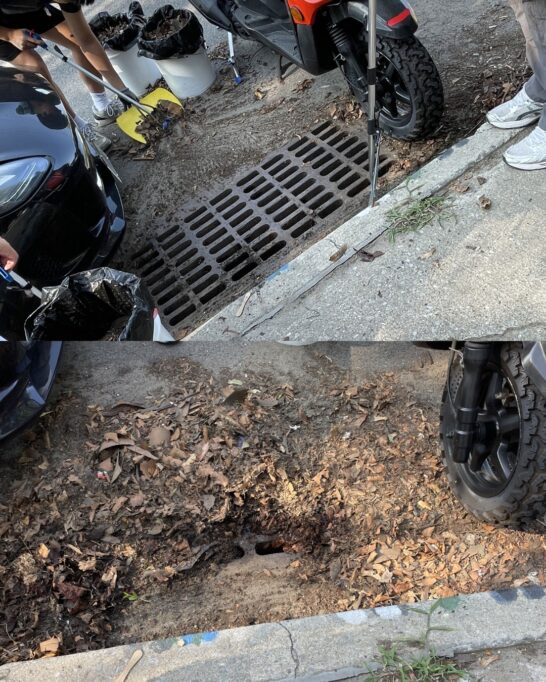
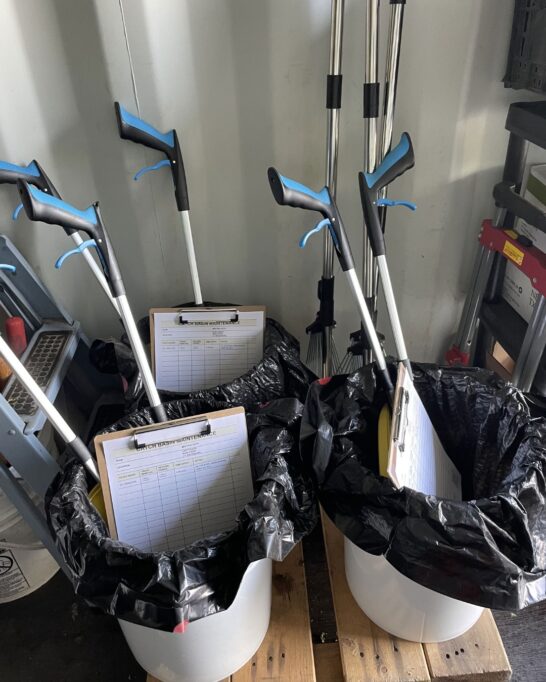
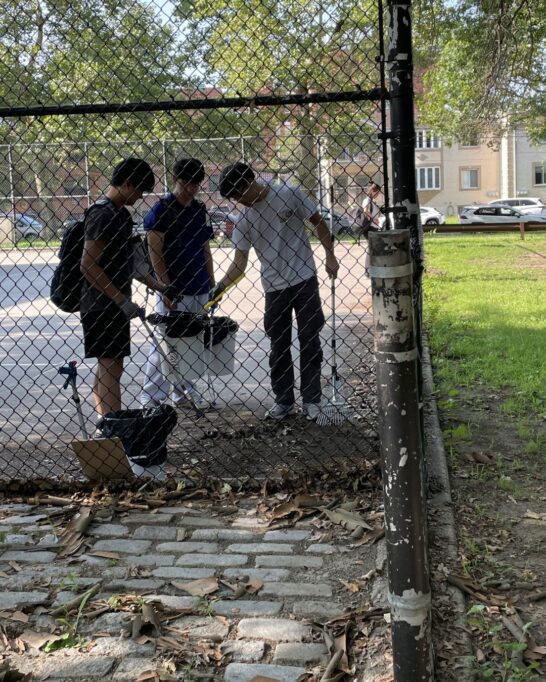
Since the training, the organizations have begun deploying teams of local youth interns and volunteers to clean priority catch basin areas in their respective neighborhoods. In addition to regular weekly cleanings, teams have been responding to urgent activations in the days leading up to forecasted storms. The teams also monitor catch basins for any issues, and have been proactively reporting non-draining or damaged catch basins via 311.
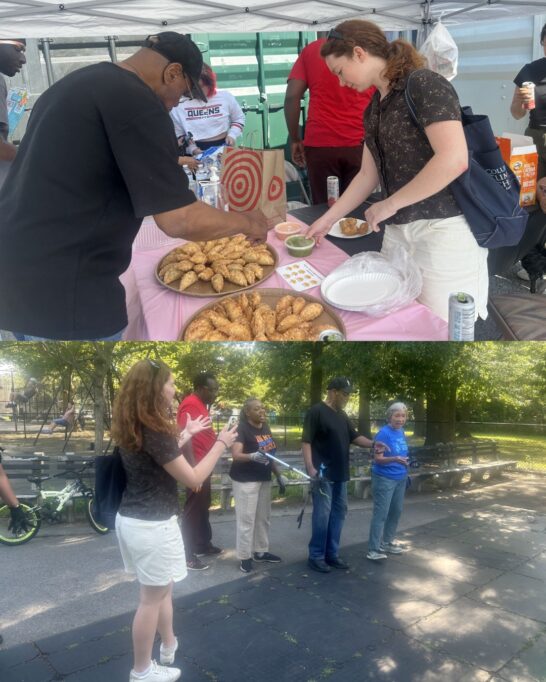
The community has been noticing these efforts: residents often stop to ask questions, neighbors have shared personal anecdotes of property flooding, and a local deli owner even handed out water bottles to the volunteers as a token of appreciation for their efforts. Throughout the project Kissena Synergy, SQREJC, and WOTM have been engaging their neighbors in conversations about green infrastructure. These efforts include neighborhood canvassing, tabling at community events, hosting workshops with community partners, and engaging in ad hoc conversations with neighborhood residents.
Concluding the project, organizations will host events for neighbors to learn more about starting their own private rain garden with water-absorbing native plants. Rain gardens capture stormwater where it falls, allowing water to soak gradually into the soil rather than immediately flowing into streets and an already strained sewer system, leading to increased neighborhood water capacity
While the impact of any one household may be limited, actions adopted across many properties, from keeping catch basins clear to planting native flora and incorporating green infrastructure, can collectively increase a neighborhood’s capacity to manage heavy rainfall. Queens Rain Ready is putting that idea into practice by giving residents the knowledge, tools, and support to take action themselves and encourage their neighbors to do the same.
Later this fall PRI will complete an evaluation to assess the impact of the neighborhood teams and identify opportunities to improve and replicate the model in other NYC neighborhoods. These insights will serve as the foundation for a public “playbook” to be released for community leaders across NYC to launch similar rain readiness efforts in their own neighborhoods.