
When a public health emergency hits, residents often turn first to the people they already know and trust: neighbors, faith leaders, mutual aid groups, and local coalitions. These networks use their knowledge of local needs to connect residents with information and support. Community Emergency Networks (CENs), including Community Organizations Actiwve in Disasters (COADs), Volunteer Organizations Active in Disasters (VOADs), Long Term Recovery Groups, and other local coalitions, are built on that trust.
Region 2 Center for Public Health Preparedness and Response (R2C), led by the NYC Preparedness & Recovery Institute (PRI), identified strengthening Community Emergency Networks as a priority in its five-year regional workplan. Through this initiative, R2C is examining whether peer-led learning collaborative, best practice tools, targeted technical assistance, and catalytic funding can strengthen Community Emergency Networks’ capacity to reach residents and support community preparedness during emergencies.
Building Our Understanding of CENs Across Region 2
HHS Region 2, which includes New York, New Jersey, Puerto Rico, and the U.S. Virgin Islands, spans dense urban centers and geographically isolated island communities. Earlier this year, PRI surveyed CENs across the region to learn more about their structure, capacity, and needs.
With this information, eight CENs were selected to participate in the exercise, four CENs took part in a Community Emergency Network Learning Collaborative, a short-term program that connects networks with subject matter experts and one another for peer learning and capacity-building support. They also received targeted technical assistance and catalytic funding. The other four did not participate in the collaborative and did not receive TA or funding, allowing PRI to compare experiences across the two groups and examine whether additional support is associated with differences in outreach capabilities.
How CENs Tested Their Outreach Plans
During Field Test Days, CENs tested their preparedness and outreach plans in their communities, using door-to-door canvassing, public-space engagement, trusted community partners, and social media and digital outreach.
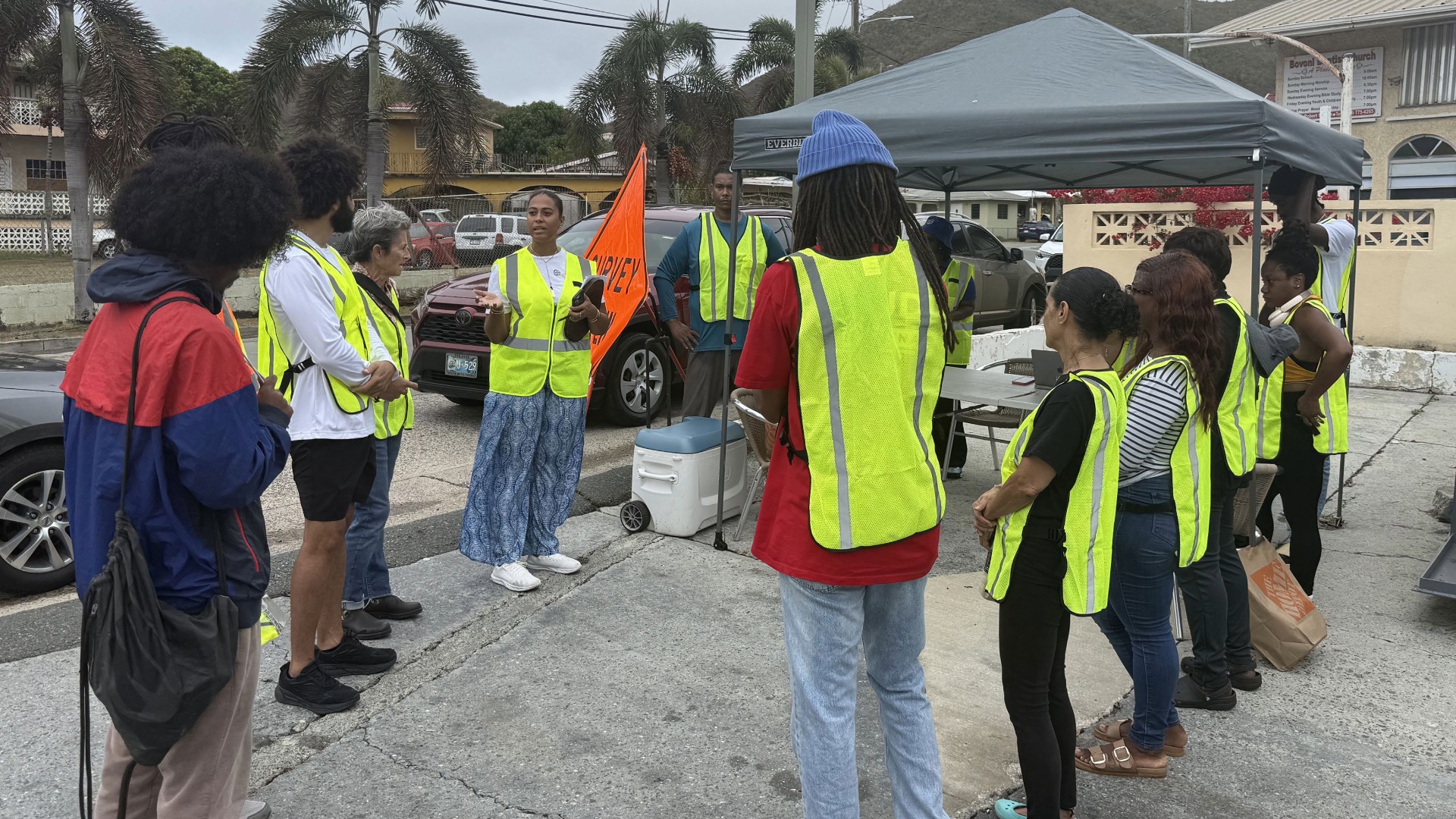
Each network tailored its activities to local needs. Taller Salud in Loíza, Puerto Rico, shared information on emergency supplies and safe water storage amid an ongoing water shortage. On St. Thomas, the Virgin Islands Institute for Social Impact, Opulence, and Noetics, Inc. (VIISION) focused on hurricane preparedness, flooding, poor air quality, and extreme heat. East Bronx COAD conducted extreme heat outreach and connected residents with cooling centers and other resources. In Utica, HOOAD partnered with the American Red Cross, Utica Fire Department, and other organizations to share fire-safety information and provide multilingual resources.
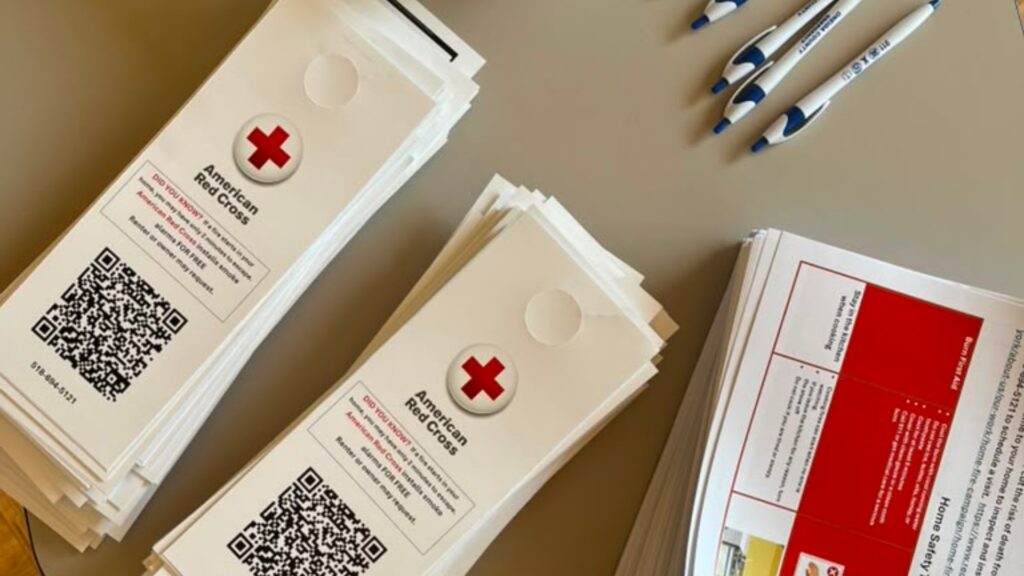
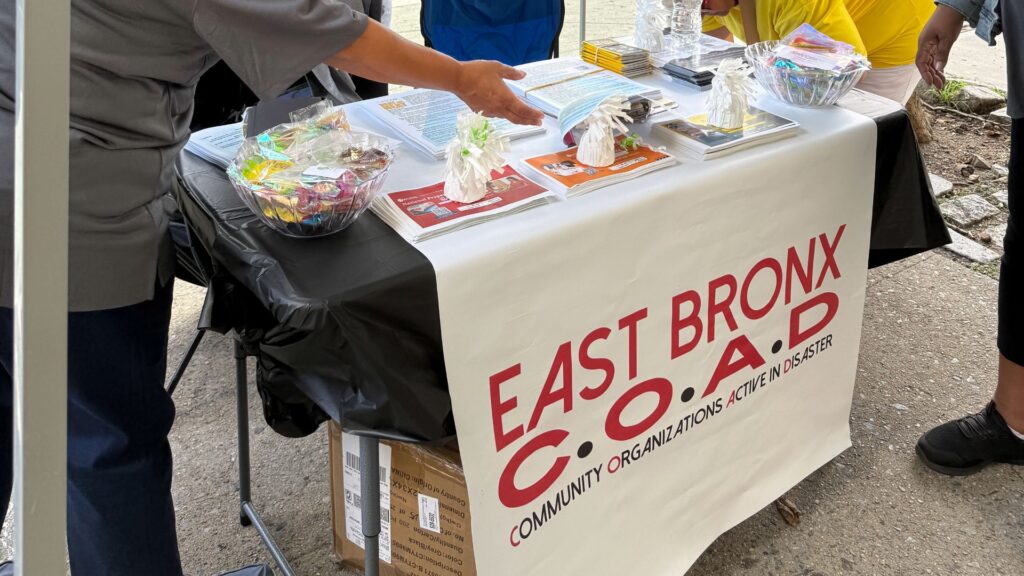
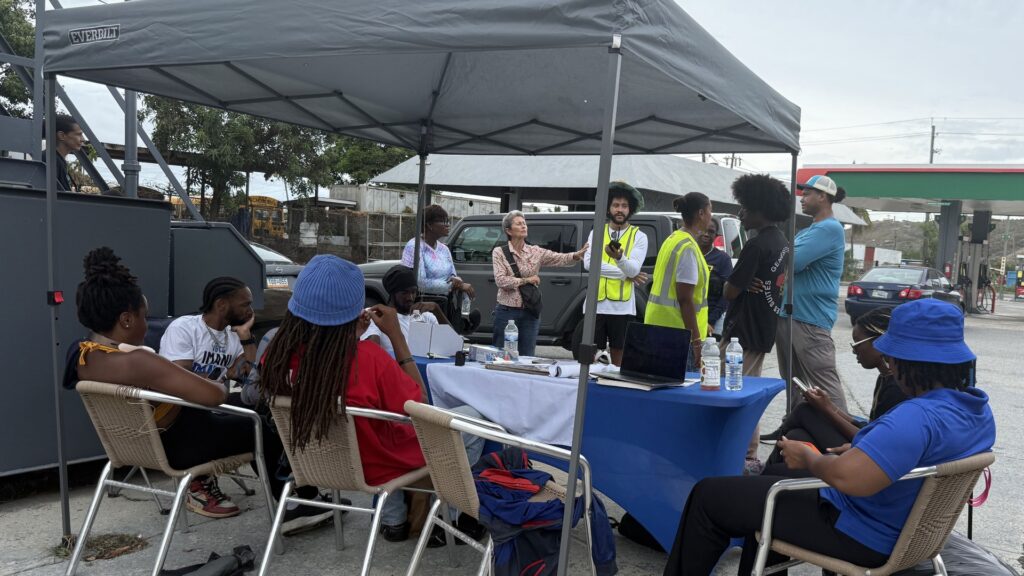
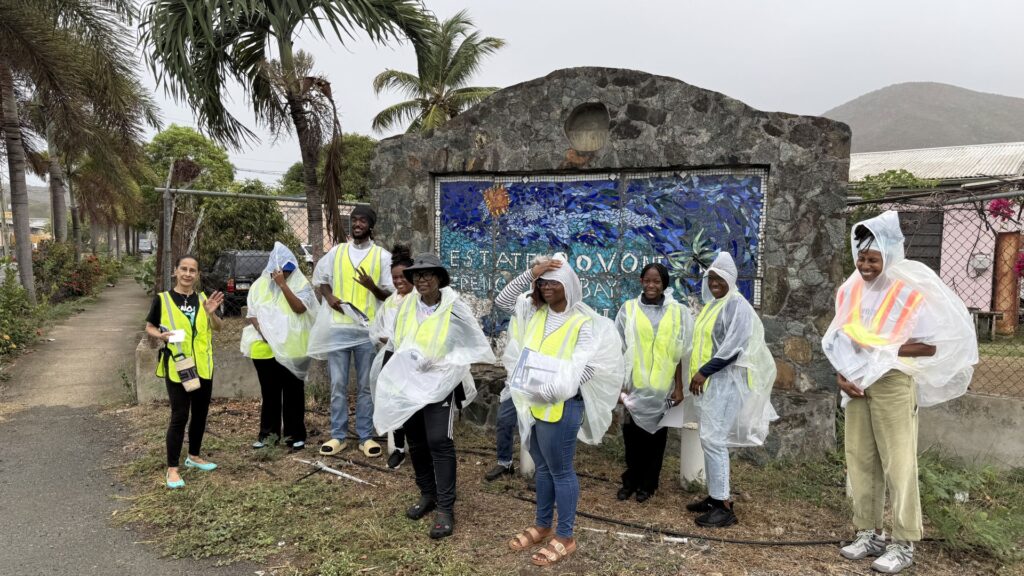
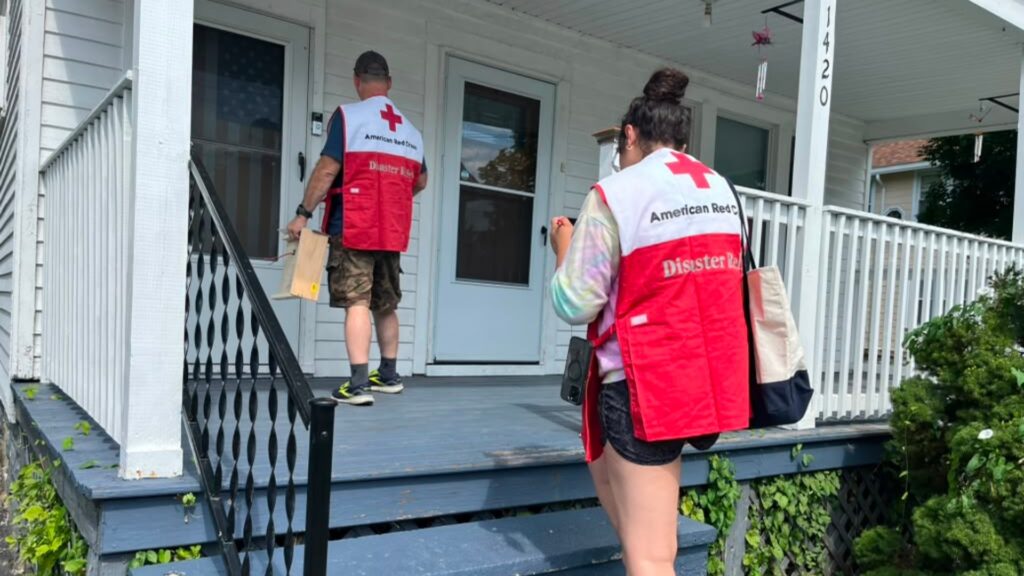
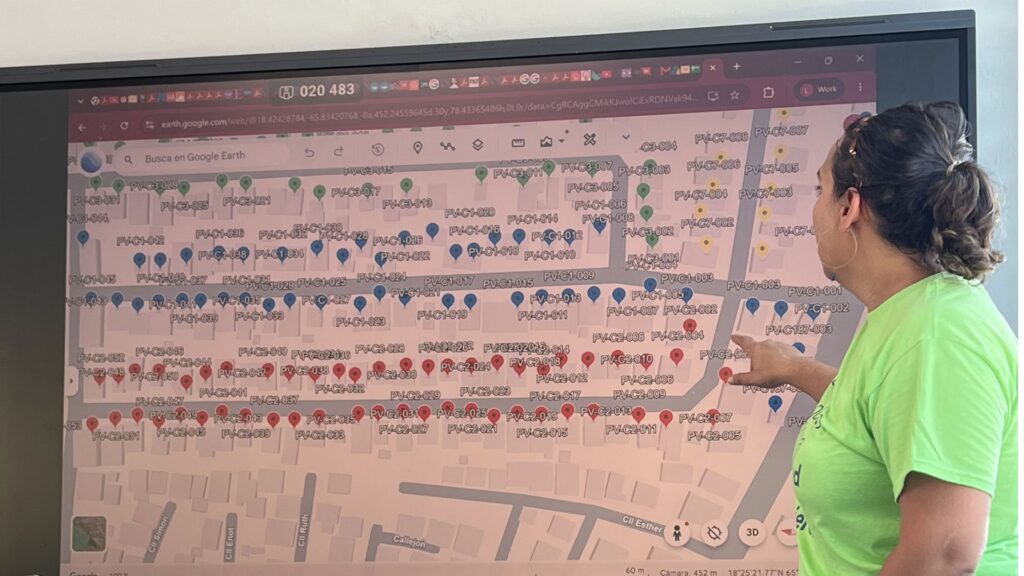
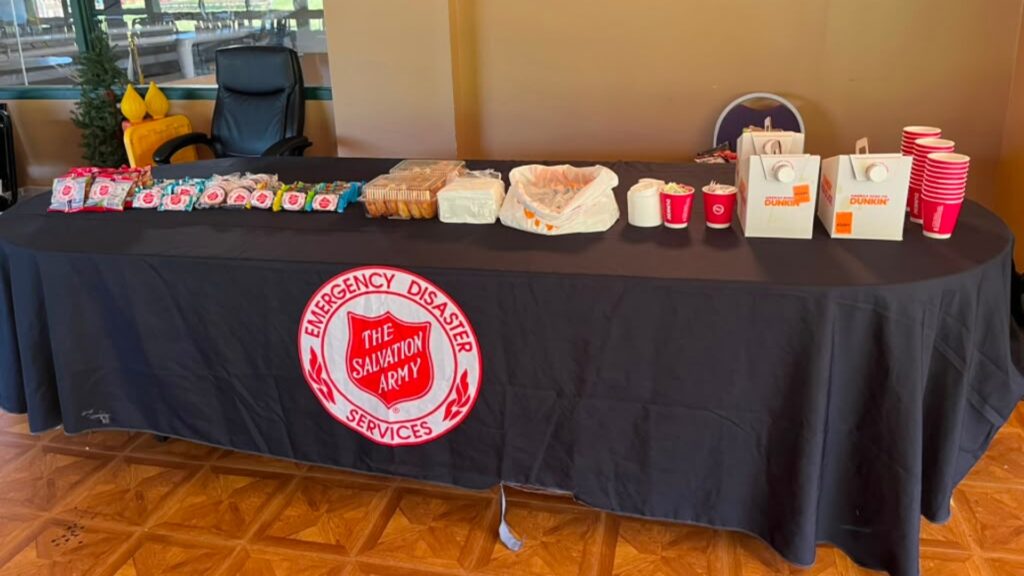
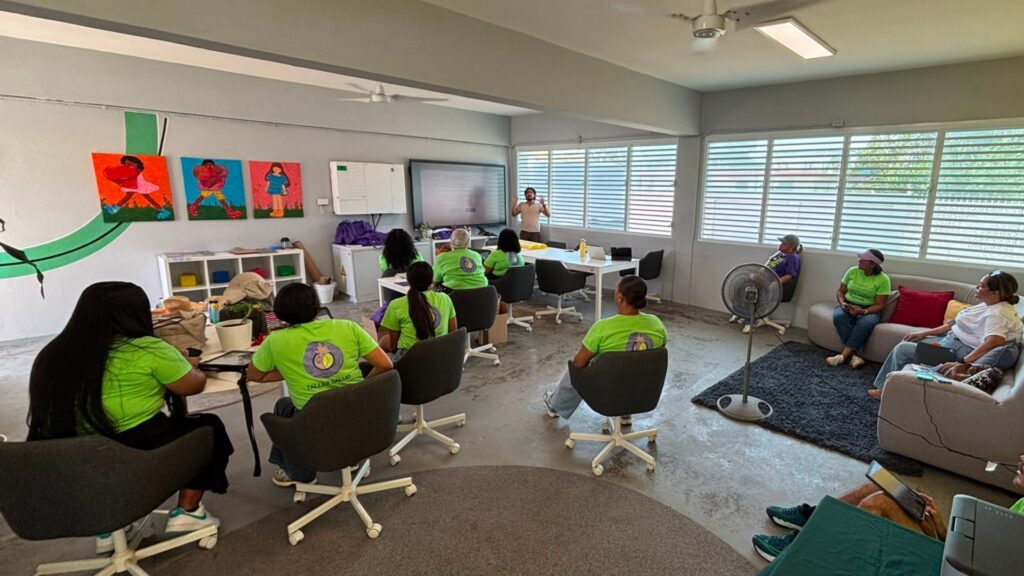
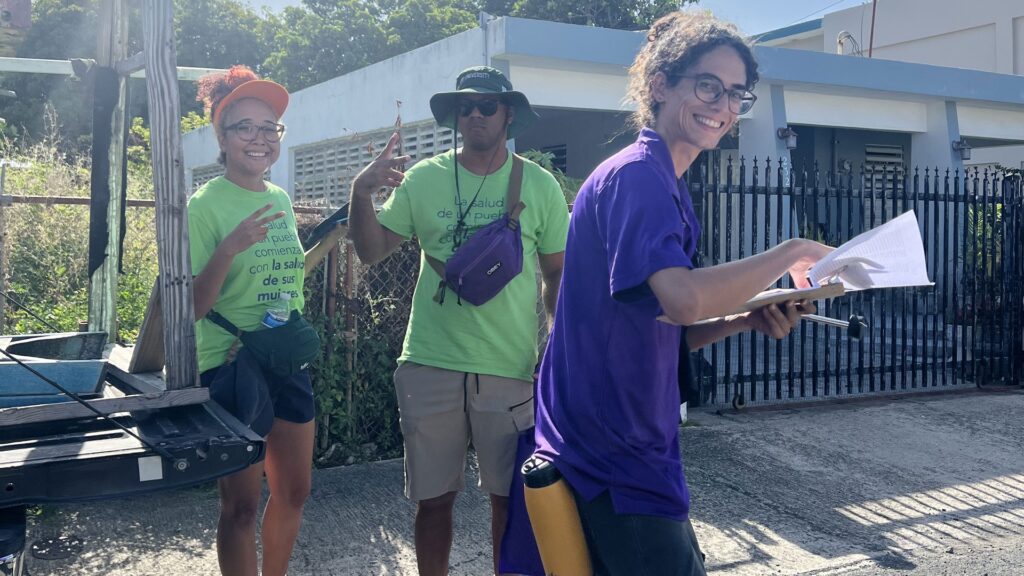
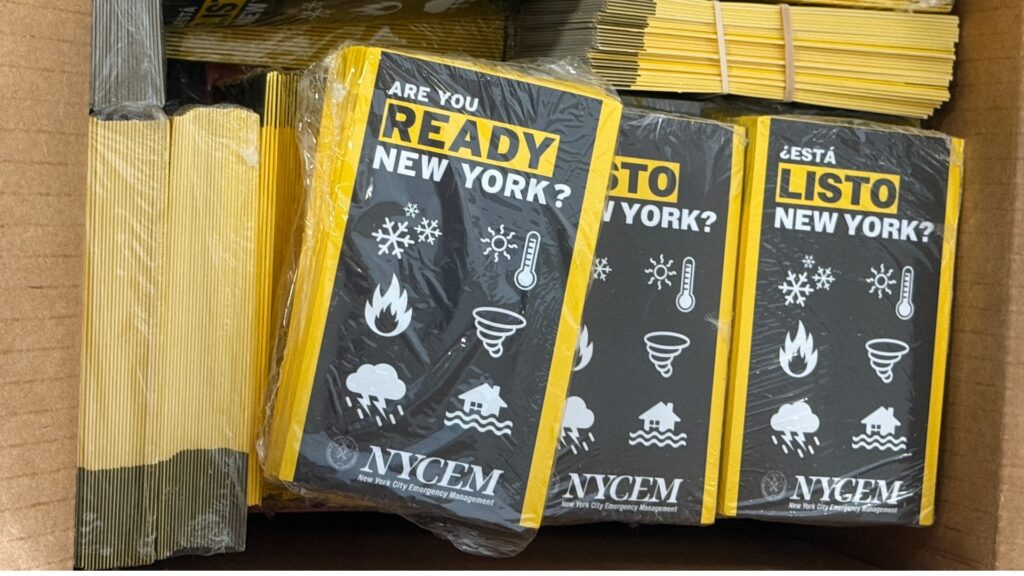
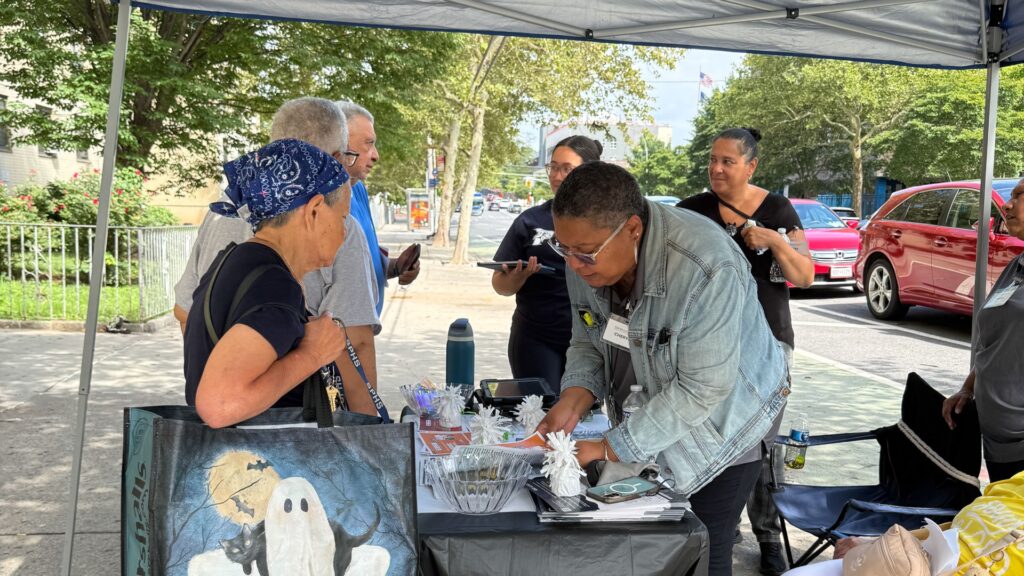
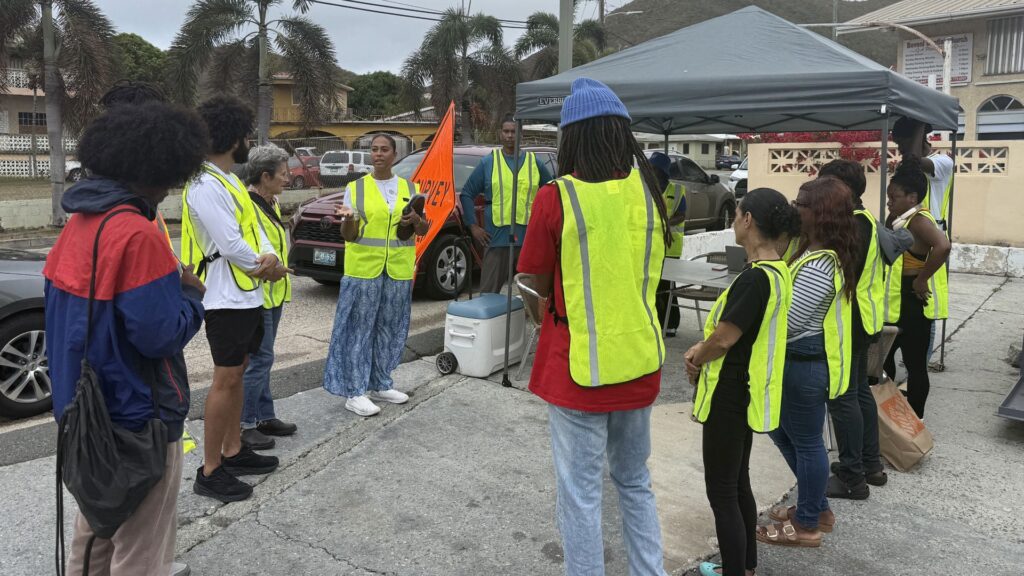
These exercises provided opportunities to test different ways of reaching residents, including people who may face barriers to emergency information because of disability, language, technology, or limited access to essential resources.
As part of the Field Test Days, each CEN tracked the number of people, households, or organizations contacted with an estimate of the population that could reasonably be reached through each outreach method. PRI will use these data to assess the networks’ outreach efforts and examine whether the additional support provided through the multi-component intervention contributed to their outreach capabilities.
Building Evidence for Future Preparedness
Community Emergency Networks are an important link between public health preparedness systems and the residents they serve. They serve a critical function to tailor and maximize impact of state and county level systems. Yet evidence base of these networks and their performance is limited. Its critical to increase evidence on what works, what does not, and which forms of support help them sustain their efforts.
The findings will contribute to a stronger evidence base for public health preparedness and help inform future funding, technical assistance, and partnership strategies across Region 2.
The R2C is thankful for the CENs that participated and hopes to share a report on the evaluation findings in the coming months.
The Region 2 Center for Public Health Preparedness and Response is funded through a five-year cooperative agreement with the CDC and is led by the NYC Preparedness & Recovery Institute (PRI) at Columbia University, with key partner CUNY Graduate School of Public Health & Health Policy.